
Fuel Mixer: Weed Wacker, Whipper Snipper & Strimmer
Why use this tool? Whether you have a String Trimmer, Weed Eater, or Brush Cutter, using the correct fuel mix is critical. Most modern handheld equipment runs on a 50:1 ratio. Getting this wrong is the leading cause of engine seizure and failure.
How to use: Simply select your Engine Type and your Machine's Fuel Tank Size below. We will calculate the exact amount of oil you need to add to your mixing bottle to create a single batch for your machine.
2. Your Machine's Tank Capacity
The Ultimate Guide to Weed Eater Care: Fuel, Safety & Maintenance
By The Tool Yard Experts
Your string trimmer (or "weed wacker") is a deceptively simple machine. It’s essentially a high-performance engine strapped to a pole, screaming at 10,000 RPM just inches from your hip. Unlike your car, which has a complex cooling system and a sump full of oil, your trimmer relies entirely on the fuel you feed it to stay cool and lubricated.
Getting that fuel mix right is the difference between a tool that lasts 15 years and one that seizes up in 15 minutes. But caring for your equipment goes beyond just the gas can. In this guide, we’ll cover everything you need to know to keep your machine humming and yourself safe.
1. The Science of the "Perfect Mix"
Most handheld power equipment uses a 2-stroke engine. These engines are lightweight and powerful because they fire on every revolution. However, they lack an internal oil reservoir. Instead, the oil is mixed directly into the gasoline. As the fuel travels through the engine, the gasoline burns to create power, while the oil coats the piston and cylinder walls to prevent friction.
Oil is heavier than gasoline. If you mix your fuel and let the bottle sit in the shed for a week, gravity will pull the oil to the bottom.
The Risk: If you pour without shaking, the first bit of fuel entering your tank will be almost pure oil (causing the engine to smoke and foul the plug). The last bit will be almost pure gas (causing the engine to run hot and seize).
The Fix: Always shake your mixing bottle vigorously before every single fill-up.
Why Oil Quality Matters (JASO FD vs. TC-W3)
Not all 2-cycle oils are created equal. You might see "Outboard" oil (rated TC-W3) at the hardware store. Do not use this. It is designed for water-cooled boat engines that run at lower temperatures. In a hot, air-cooled trimmer, boat oil will turn into carbon, clogging your exhaust port and killing power.
Always look for the JASO FD or ISO-L-EGD rating on the bottle. These are synthetic blends designed specifically for high-heat, high-RPM air-cooled engines.
Buy Premium JASO FD Oil
2. The Ethanol Problem
Modern pump gas contains Ethanol (usually 10%), which is an alcohol made from corn. While fine for cars, alcohol is hygroscopic—meaning it attracts water from the air.
If you leave pump gas in your trimmer for more than 30 days, the ethanol will pull moisture into the fuel system. This leads to "phase separation," where a layer of water and alcohol settles at the bottom of the tank. When you try to start the engine, it sucks up that corrosive water mix instead of fuel.
- ✔ Daily Users: Pump gas is fine if you cycle through it quickly.
- ✔ Homeowners: Use a Fuel Stabilizer to keep gas fresh for up to 12 months.
- ✔ Infrequent Users: The safest option is TruFuel Pre-Mixed Fuel. It contains zero ethanol and has a shelf life of 2+ years.
3. General Maintenance Tips for a Happy Weed Eater
Regular maintenance is the key to preventing problems before they start. Here are some essential tips to keep your machine running smoothly season after season.
Engine and Fuel System Care
- ✔ Use Fresh Fuel: As mentioned above, stale fuel is the #1 killer of small engines.
- ✔ Clean the Air Filter: A dirty filter chokes the engine, causing it to run "rich" and lose power. Wash foam filters with soap and water; replace paper filters annually.
- ✔ Check the Spark Plug: Inspect it once a season. A coffee-colored electrode is good; black and oily means your mix is too rich. Ensure it is correctly gapped.
- ✔ Inspect Fuel Lines: Rubber lines become brittle over time. If you see cracks or leaks, replace them immediately to prevent fire hazards.
Trimmer Head and Line Care
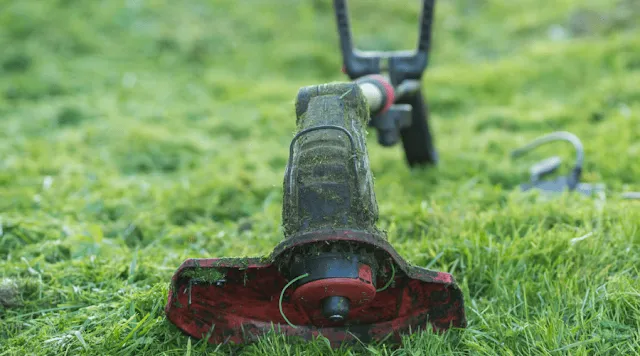
- ✔ Keep it Clean: Grass wraps around the gear head and turns into a hard, concrete-like substance that overheats the bearings. Clean it after every use.
- ✔ Load Line Correctly: Winding line backward is a common frustration. Follow the arrows on the spool. If you struggle with this, check our guide on How to Replace String Properly.
- ✔ Grease the Gearbox: Many straight-shaft trimmers have a small bolt on the side of the cutting head. Remove this once a season and squeeze in some lithium grease to keep the gears happy.
4. Safety First: Don't Mow Blind
A trimmer line spinning at full speed can fling a pebble at 150 mph. It can also shatter glass or permanently damage eyesight.
Never operate a trimmer in shorts or sandals. Debris will cut your legs. More importantly, protect your head and eyes. We highly recommend a full mesh visor system which protects your face from flying debris while allowing airflow, combined with hearing protection.
See our pick for the Best Safety Helmet & Visor
5. Troubleshooting: The Flooded Engine
It happens to the best of us. You pull the cord, nothing happens. You choke it, pull again, smell gas, and now it definitely won't start. You've flooded the engine—there is too much liquid gas in the cylinder for the spark plug to ignite.
The Fix:
- Turn the choke OFF (Run position).
- Hold the throttle trigger WIDE OPEN.
- Pull the cord repeatedly (it may take 10-15 pulls).
- The engine will sputter, cough smoke, and then roar to life.
Conclusion
Taking care of your trimmer doesn't require a mechanics degree. It just requires fresh fuel, the right oil mix, and a little bit of post-mowing cleanup. Use the calculator above to get your numbers right, gear up safely, and go tame that yard!


